
Introduction
When managing a cold storage facility, the type of door you choose is crucial for maintaining the right temperature and ensuring efficient operations. But what exactly is a cold room door? Let’s explore this essential component in detail.
What Defines a Cold Room Door?
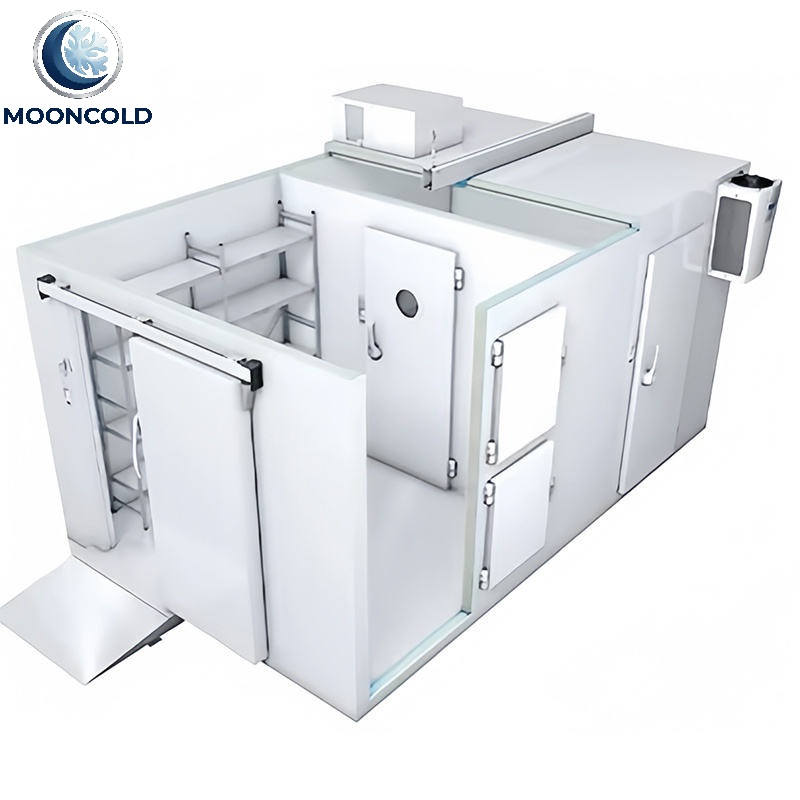
A cold room door is specifically designed to seal off and insulate refrigerated or freezer spaces. It prevents the external air from entering and the cool air inside from escaping, which helps in maintaining the required temperatures efficiently.
Types of Cold Room Doors
- Hinged Door: This traditional style swings open on hinges. It’s simple, effective, and widely used in smaller cold rooms.
- Sliding Door: Ideal for tight spaces where a swinging door would be impractical. It slides horizontally, saving valuable space.
- Swing Door: Similar to hinged doors but can swing both ways, making them convenient for high-traffic areas.
- Roll Up Door: These doors roll up into a coil above the doorway when opened, suitable for large openings.
- Flush Door: Designed to be completely flush with the wall, these doors offer a sleek look and maximize available space.
Why Choose Specific Doors for Different Projects?
Selecting specific types of cold storage doors is crucial for different projects because different door types have different characteristics and advantages that can meet the specific needs and conditions of the project.
Energy Efficiency: Energysaving cold storage doors are essential for reducing energy consumption. For example, in regions with climates like South America, choosing doors that can effectively insulate and withstand local weather conditions is crucial because it helps reduce operational costs and ensures stable internal temperatures in the cold storage.
Accessibility and Convenience: If a project requires frequent access or has a large volume of goods going in and out of the cold storage, choosing doors that are easy to operate and have quick opening mechanisms is necessary. Sliding doors or rapid rollup doors can provide convenient access while maintaining temperature control, thereby improving efficiency.
Material Impact on Temperature Control: The material of cold storage doors is crucial for maintaining specific temperature ranges. For projects requiring precise temperature control, such as storing food or pharmaceuticals, selecting insulated doors with high heat resistance is necessary to prevent temperature fluctuations. Common materials like PUR and PIR have low thermal conductivity and are lightweight, helping to reduce energy consumption and improve energy efficiency.
Conclusion
Choosing the right cold room door involves understanding your specific needs—whether it’s for a commercial project in South America or integrating with advanced PIR panels. Each type of door offers unique benefits tailored to different operational requirements and environmental conditions.
Sunt harum omnis nulla. Molestias voluptatum hic reiciendis tenetur. Rem voluptatibus delectus doloribus et iure voluptatem
Voluptas eum delectus quisquam distinctio excepturi asperiores. Impedit aliquid maiores amet adipisci. Minima quia impedit ducimus tempore accusantium sit
Itaque sit itaque ased ut quia. Fugit molestias asperiores voluptatem. Sunt quised animi dolorum incidunt
Eos magni nostrum fuga et beatae doloribus nobis natus
Aut dolores omnis sunt labore numquam. Dolores recusandae molestiae dolorem. Fuga minus labore debitis inventore. Sit non nostrum eum fuga ut at. Iste mollitia cumque porro recusandae. voluptatem cupiditate sed nostrum. Quaerat est voluptatem dolorem voluptatum illum atque. Mollitia occaecati ipsum iste enim. reiciendis sapiente totam.
Fugiat quam dolores ex rerum et laborum. Minima voluptatum aspernatur quae sunt. Veritatis magnam non consequatur expedita. Amet consequatur accusamus nesciunt quia vel magni. In consequuntur quidem consequatur doloremque reiciendis. et voluptatem aut hic. Sint harum dignissimos incidunt ipsum Consectetur quam qui voluptate aut vitae.
Sapiente pariatur dolorem velit est
Unde id debitis quod. Qui dolorem aliquid. Nisi odio eaque quia ab. Eum dicta aliquid possimus rem.
Ut ratione et eos ratione quisquam sed. Sint pariatur quia est eos hic. Minima omnis eaque voluptatum pariatur mollitia vitae
Officiis qui hic voluptates qui. Ipsa excepturi aliquam ut provident. Voluptas sapiente omnis molestiae recusandae. Ducimus modi ipsum non minima temporibus. Rerum est ut ullam suscipit nemo commodi culpa. suscipit odio qui ut eum nemo. alias dolores ad repudiandae ipsam quis Nostrum omnis provident cumque. Ducimus dicta quidem et consequatur Possimus accusantium fugit aliquid Nemo sit corrupti aut asperiores.